
Hollywood's Decline and Reinvention
Once Upon a Time in HollywoodThis thread traces how Rick Dalton's fading television stature, drinking, and self-criticism intersect with a career industry that has changed around him.
increasing Bearing strength in each event
 decreasing
Bearing strength in each eventdecreasingA Promising Television Star
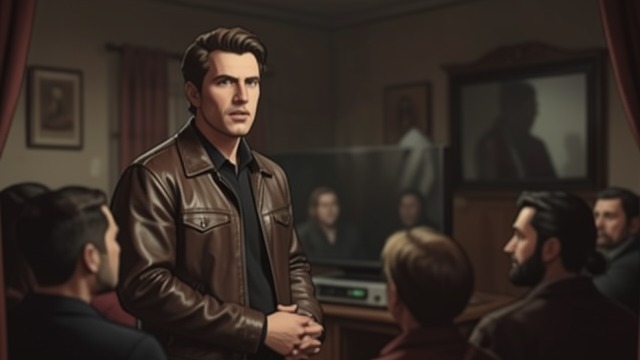
A Promising Television Star
A successful series
Rick leads Bounty Law and becomes recognizable as a television cowboy. The series gives him a professional home and the confidence that he can move on to bigger film roles.
Expectations grow
Rick wants to become a movie star and measures himself against performers who made that transition. His ambition makes a stable television career feel less like a success than a delay.
The Fourth Season Lost
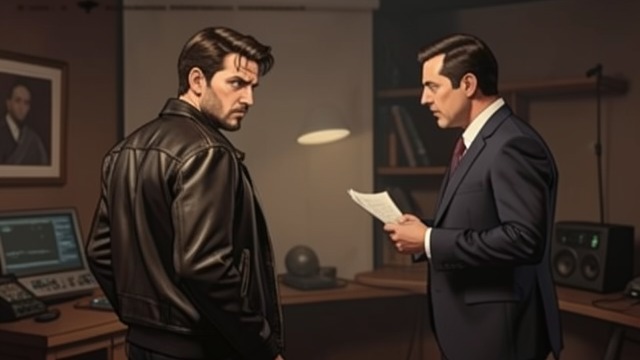
The Fourth Season Lost
A difficult departure
Rick becomes uncooperative because he believes television is beneath the film career he wants. The show does not continue into a fourth season, and Screen Gems' producers resent how he handled the departure.
A lesson arriving late
Rick later recognizes that he could have worked another season and parted on better terms. His wish to leap forward has instead weakened a reliable professional relationship.
The Guest-Star Cycle
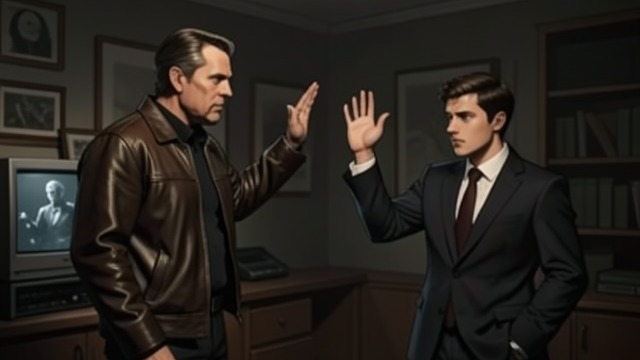
The Guest-Star Cycle
Work without advancement
Rick appears on several television programs, usually as the villain. He often loses a final fight to the newer hero the episode is meant to establish.
A role becomes a reputation
Marvin warns that repeated defeats may train audiences to see Rick as a punching bag. The work keeps him employed but risks making his former star status look like a supporting function.
The Drinking Spiral
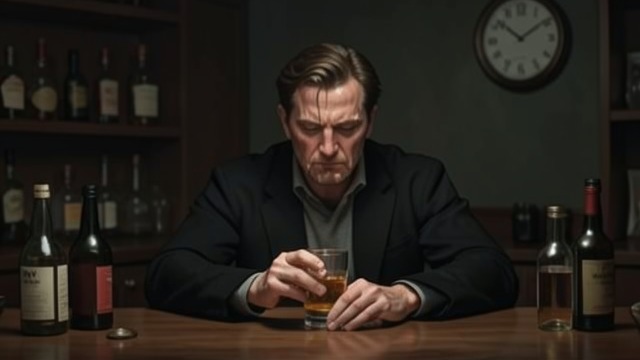
The Drinking Spiral
Solitude and excess
Rick drinks several whiskey sours alone, loses consciousness, and wakes with a hangover before his call time. He believes the alcohol eases loneliness and self-disgust.
Performance suffers
His exhaustion and illness make learning lines harder. The gap between the professional he wants to be and the man who arrives at work deepens his shame.
A Possibility of Change
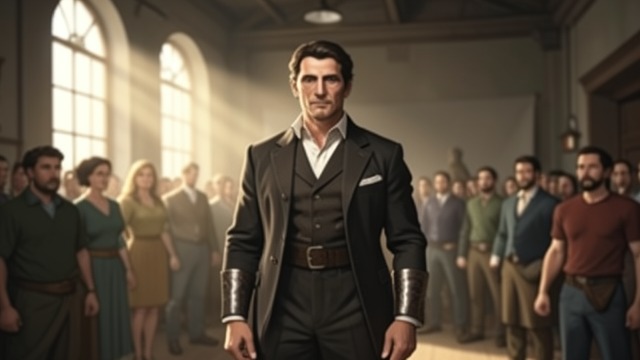
A Possibility of Change
A difficult day completed
Rick performs under pressure on the Lancer set and receives meaningful praise from Trudi Frazer. The day does not erase his career problems, but it proves his craft remains usable.
A broader account of success
During the late rehearsal, Rick recalls people, work, and experiences for which he is grateful. He begins to see that a career can be valuable even when it has not fulfilled his original ambitions.
From the late 1950s through the early 1960s
At the end of Bounty Law's third season
In the two years before February 1969
On the night before Rick's first Lancer shoot
By the end of February 8, 1969
